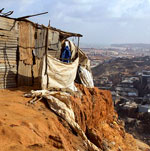
 Shanty town above Luanda, the world's 'most expensive' city  FRONT PAGE Site Search About us     UBS: Most expensive and richest cities ECA: Most expensive cities EIU: Most expensive cities Mercer: Most expensive cities World's top cities World's richest cities (GDP) Richest cities (earnings) Most powerful cities Urban population growth from now to 2030 World's best financial cities Europe's top city brands European growth cities 2009 Real estate USA Real estate Europe European business cities Best world cities to live in Global cities World's largest cities and their mayors 2010  Worldwide | Elections | North America | Latin America | Europe | Asia | Africa |                            |
The lives of expatriates in the
23 July 2013: For very different reasons, European and African cities are named as the world’s costliest cities for expatriates. While high earnings and strong demand for quality housing drive up prices in Europe, it is the special needs of expatriates that make living in some of Africa’s booming cities extremely expensive. In its 2013 Cost of Living report, US-based consultants Mercer name the Angolan capital Luanda as the costliest city for US expatriates. Moscow and Tokyo are ranked two and three. Switzerland has three cities - Geneva, Zurich and Bern - in the top ten. |
|
Rank
|
Mercer (2013)
|
UBS (2012)
|
ECA (2012)
|
EIU (2013)
|
|
1
|
Luanda | Oslo | Tokyo | Tokyo |
|
2
|
Moscow | Zurich | Oslo | Osaka |
|
3
|
Tokyo | Tokyo | Geneva | Sydney |
|
4
|
N’Djamena | Geneva | Nagoya | Oslo |
|
5
|
Singapore | Copenhagen | Zurich | Melbourne |
|
6
|
Hong Kong | New York City | Yokohama | Singapore |
|
7
|
Geneva | Luxembourg | Bern | Zurich |
|
8
|
Zurich | Stockholm | Stavanger | Paris |
|
9
|
Bern | Caracas | Basel | Caracas |
|
10
|
Sydney | London | Kobe | Geneva |
Mercer's 2013 Cost of Living survey
The cost of housing is typically the biggest expense for expatriates and it plays an important part in determining the rankings. The Russian capital of Moscow follows Luanda as the second most expensive city because of high costs for rental accommodation and imported goods and services commonly purchased by expatriates commanding a premium. A luxury two bedroom unfurnished apartment rental for one month in Moscow is US$4,600 a month or 14 times as much than Karachi. Rounding out the top five most expensive cities for expatriate living, which also have pricey rental accommodations, are Tokyo, the Chad city Ndjamena and Singapore.
Price comparison of selected items
(All priced in US dollars)
|
City
|
Monthly rent, 2-bedroom luxury apartment
|
Hamburger meal or similar
|
Cup of coffee
|
1 liter of petrol
|
| Luanda |
6500.00
|
20.06
|
3.88
|
0.63
|
| Moscow |
4600.00
|
6.42
|
8.29
|
1.04
|
| Tokyo |
4513.34
|
7.31
|
6.98
|
1.74
|
| N'Djamena |
n/a
|
25.51
|
3.06
|
0.98
|
| Singapore |
3794.94
|
5.61
|
4.84
|
1.76
|
| Hong Kong |
7091.74
|
3.54
|
5.67
|
2.23
|
| Geneva |
4349.74
|
12.51
|
6.52
|
2.02
|
| Zurich |
3914.77
|
12.51
|
5.98
|
2.02
|
| Bern |
2686.51
|
12.51
|
4.86
|
2.02
|
| Sydney |
2551.42
|
9.20
|
5.16
|
1.51
|
While many Asian cities remained stable in the previous 12 months, a large number have gone down in the 2013 rankings due to weaker local currencies (vs. the US dollar), including the most expensive city in the 2012 rankings – Tokyo, which is ranked third this year. Singapore is ranked 5th globally. High demand for expat accommodation and goods, coupled with a strong currency, make Singapore so expensive. Sydney is also in the top 10 worldwide and the most expensive expatriate destination in the Pacific. Demand for rentals in Sydney keeps growing and supply just isn't keeping up. Other Australian cities are also relatively costly due to the strong Australian dollar. New Zealand is more affordable for expatriates.
European and African cities dominate the most expensive expatriate destinations. Luanda, Angola, is the top-ranked city. Another African city near the top was N'Djamena, Chad, ranked 4th. Expatriates living in these cities have high expenditures for appropriate accommodation, transportation and imported goods. Other African cities remain more affordable.
Moscow is second in the global rankings, also because of its high-demand rental market and expensive goods commonly purchased by expatriates. Three Swiss cities – Geneva, Zurich, and Bern – are also in the Top 10. Switzerland remains one of the costliest locations for expatriates despite decreasing or stable accommodation costs and a robust Swiss franc. Overall, the cost of living in cities across parts of Europe has gone up mildly as a result of the slight strengthening of local currencies against the US dollar.
In the Americas, cities in South America are the most expensive for expatriates. Living in some cities, particularly those in Brazil, became cheaper because of the US dollar's strengthening against local currencies. Other cities became more expensive. The cost of living in some, like Buenos Aires and Caracas, rose due to high inflation. Others, like Mexico City, are facing a strong rental market. Overall, the cost of living in other cities in Latin America and in the Caribbean remained fairly stable, according to Mercer's rankings.
New York, the base city for Mercer's Cost of Living rankings, is the most expensive city in the United States. It became costlier due to rising housing rental costs. Most US cities were stable vs the previous year's ranking, while Canadian cities generally moved slightly down in the rankings this year.
The world's most expensive big cities in 2012
(The Mercer index is based on cost of living expressed in US dollars. Therefore, if the dollar weakens against the local currency of a city, the city becomes more expensive and moves up the index, even if prices expressed in local currency remain the same or go down.)
|
Rank 2012
|
Rank 2011
|
City
|
Country
|
|
1
|
2
|
Tokyo | Japan |
|
2
|
1
|
Luanda | Angola |
|
3
|
6
|
Osaka | Japan |
|
4
|
4
|
Moscow | Russia |
|
5
|
5
|
Geneva | Switzerland |
|
6
|
7
|
Zurich | Switzerland |
|
6
|
8
|
Singapore | Singapore |
|
8
|
3
|
N'Djamena | Chad |
|
9
|
9
|
Hong Kong | Hong Kong |
|
10
|
11
|
Nagoya | Japan |
|
11
|
14
|
Sydney | Australia |
|
12
|
10
|
São Paulo | Brazil |
|
13
|
12
|
Rio de Janeiro | Brazil |
|
14
|
16
|
Bern | Switzerland |
|
15
|
21
|
Melbourne | Australia |
|
16
|
21
|
Shanghai | China |
|
17
|
20
|
Beijing | China |
|
18
|
15
|
Oslo | Norway |
|
19
|
30
|
Perth | Australia |
|
20
|
12
|
Libreville | Gabon |
|
21
|
17
|
Copenhagen | Denmark |
|
22
|
19
|
Seoul | South Korea |
|
23
|
34
|
Canberra | Australia |
|
24
|
31
|
Brisbane | Australia |
|
25
|
18
|
London | UK |
|
26
|
44
|
Khartoum | Sudan |
|
27
|
46
|
Adelaide | Australia |
|
28
|
29
|
St. Petersburg | Russia |
|
29
|
51
|
Caracas | Venezuela |
|
30
|
43
|
Shenzhen | China |
|
31
|
24
|
Tel Aviv | Israel |
|
31
|
38
|
Guangzhou | China |
|
33
|
32
|
New York City | USA |
|
34
|
23
|
Niamey | Niger |
|
35
|
70
|
Yangon | Myanmar |
|
36
|
61
|
Kinshasa | Congo (Dem. Rep.) |
|
37
|
27
|
Paris | France |
|
38
|
25
|
Milan | Italy |
|
39
|
41
|
Lagos | Nigeria |
|
39
|
63
|
Bamako | Mali |
|
41
|
67
|
Abidjan | Ivory Coast |
|
42
|
34
|
Rome | Italy |
|
43
|
55
|
Brazzaville | Congo |
|
44
|
39
|
Djibouti | Djibouti |
|
45
|
33
|
Brasilia | Brazil |
|
46
|
39
|
Stockholm | Sweden |
|
47
|
37
|
Nouméa | New Caledonia |
|
48
|
36
|
Vienna | Austria |
|
49
|
48
|
Baku | Azerbaijan |
|
50
|
25
|
Victoria | Seychelles |
|
50
|
44
|
Dakar | Senegal |
|
52
|
91
|
Lomé | Togo |
|
53
|
56
|
Douala | Cameroun |
|
53
|
63
|
Bogota | Colombia |
|
53
|
155
|
Conakry | Guinea |
|
56
|
118
|
Auckland | New Zealand |
|
57
|
50
|
Amsterdam | Netherlands |
|
58
|
49
|
Bangui | Central African Rep. |
|
58
|
52
|
Taipei | Taiwan |
|
60
|
83
|
Yaoundé | Cameroun |
|
61
|
59
|
Toronto | Canada |
|
61
|
69
|
Jakarta | Indonesia |
|
63
|
65
|
Vancouver | Canada |
|
64
|
82
|
Abuja | Nigeria |
|
65
|
42
|
Helsinki | Finland |
|
66
|
101
|
Qingdao | China |
|
67
|
75
|
Beirut | Lebanon |
|
68
|
77
|
Los Angeles | USA |
|
69
|
47
|
Prague | Czech Republic |
|
70
|
74
|
Cotonou | Benin |
|
71
|
62
|
Brussels | Belgium |
|
72
|
58
|
Dublin | Ireland |
|
72
|
104
|
Tianjin | China |
|
74
|
75
|
Santiago | Chile |
|
74
|
136
|
Wellington | New Zealand |
|
76
|
67
|
Abu Dhabi | United Arab Emirates |
|
77
|
53
|
Athens | Greece |
|
78
|
60
|
Madrid | Spain |
|
79
|
57
|
Bratislava | Slovakia |
|
79
|
70
|
Istanbul | Turkey |
|
81
|
80
|
Almaty | Kazakhstan |
|
81
|
88
|
Bangkok | Thailand |
|
83
|
93
|
Bandar Seri Begawan | Brunei |
|
84
|
72
|
Luxembourg | Luxemburg |
|
85
|
66
|
Barcelona | Spain |
|
85
|
122
|
Shenyang | China |
|
87
|
79
|
Montreal | Canada |
|
88
|
73
|
Frankfurt | Germany |
|
89
|
98
|
Pointe-à-Pitre | Guadeloupe |
|
90
|
78
|
Munich | Germany |
|
90
|
106
|
San Francisco CA | United States |
|
92
|
96
|
Calgary | Canada |
|
93
|
171
|
Maputo | Mozambique |
|
94
|
81
|
Dubai | United Arab Emirates |
|
94
|
115
|
Nanjing | China |
|
94
|
124
|
Chengdu | China |
|
97
|
88
|
Riga | Latvia |
|
98
|
99
|
White Plains NY | United States |
|
99
|
53
|
Havana | Cuba |
|
99
|
86
|
Accra | Ghana |
Similar research by other organisations:
| ECA's most expensive cities | UBS' most expensive cities | EIU's most expensive cities | The iPod-Index |
Follow @City_Mayors
Related research
| THE MOST EXPENSIVE AND RICHEST CITIES IN THE WORLD UBS survey (2012): Most expensiv and richeste cities (Intro) | World's most expensive cities (table) | Richest cities by personal earnings (table) | Richest cities by purchasing power (table | The iPod index | ECA International survey (2011): Introduction | Table: World | Table: Europe | Table: Asia | Mercer survey (2013): Most expensive cities EIU survey (2013): Most expensive cities RICHEST CITIES BY GDP Introduction | 150 richest cities in 2005 | 150 richest cities in 2020 | Europe's richest cities | |
THE LARGEST CITIES IN THE WORLD AND THEIR MAYORS 2011
Introduction
Cities by size: 1 to 150 | 151 to 300 | 301 to 450 | 451 to 550 |
Cities in alphabetical order: A to D | E to L | M to R | S to Z |
Cities by countries: A to D | E to L | M to R | S to Z |